How to Evaluate a Property Before Buying
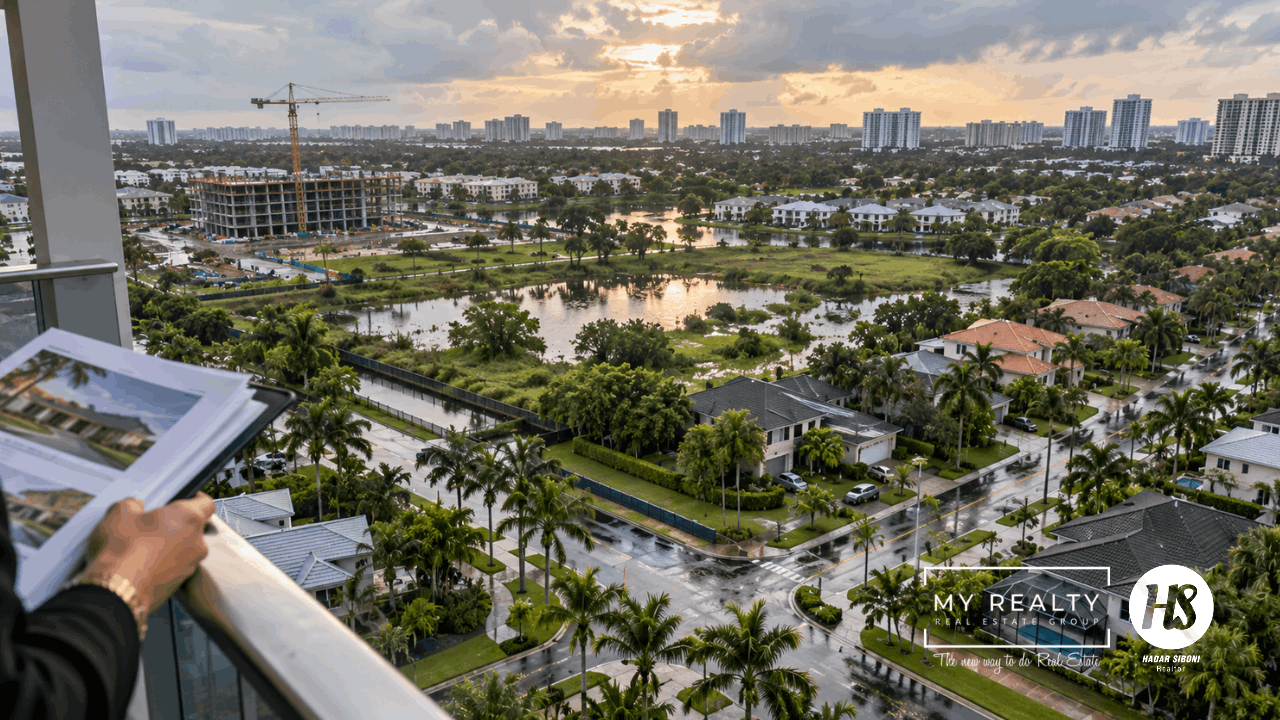 10 essential factors to help you make an informed decision and protect your real estate investment
Buying a property is one of the most significant financial decisions you can make. Whether you're searching for your first home, a place for your family, or an investment property, carefully evaluating every detail before signing a contract can help you avoid unexpected expenses and choose a property that aligns with your goals.
In South Florida's real estate market, finding a property you like at first glance isn't enough. You also need to assess its location, physical condition, price, ongoing expenses, and legal status, among other factors that can influence both your quality of life and the long-term value of your investment.
Here are 10 essential factors to consider before purchasing a property.
1. Location and Neighborhood
Location is one of the most important factors influencing a property's appeal and value. A home may feature beautiful finishes, but if the surrounding area doesn't meet your needs, it may not be the right choice.
Before buying, consider:
-
Accessibility: Distance to work, schools, hospitals, grocery stores, and major roads.
-
Safety: Review official crime statistics and reliable local sources rather than relying solely on personal impressions.
-
Future development: Research planned infrastructure projects and new developments in the area.
-
Quality of life: Evaluate noise levels, traffic, green spaces, and available services.
-
Environmental risks: In Florida, it's especially important to investigate flood risk, hurricane exposure, and coastal conditions.
Visiting the neighborhood at different times of the day can give you a better understanding of the area before making a commitment.
2. Property Condition
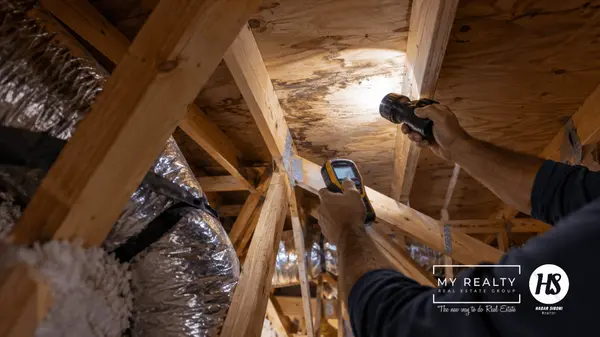
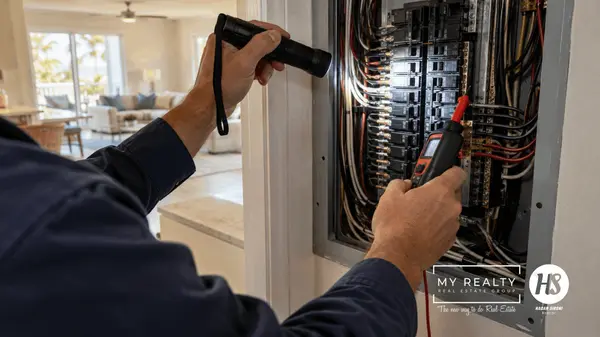
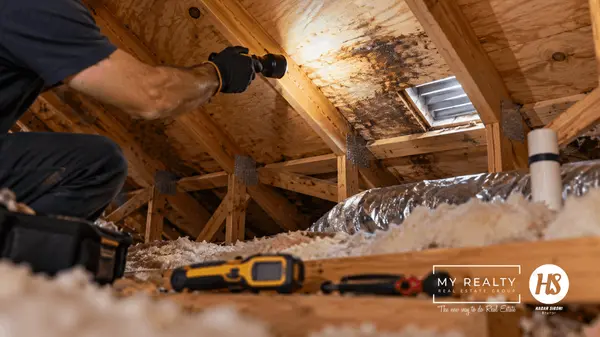
A property may look immaculate during a showing and still have problems that aren't immediately visible. That's why hiring a qualified home inspector before closing is strongly recommended.
A home inspection generally evaluates:
-
The roof and drainage system.
-
The foundation and structural components.
-
Electrical and plumbing systems.
-
Air conditioning and heating systems, where applicable.
-
Windows, doors, and insulation.
-
Signs of moisture, leaks, or mold.
-
The overall condition of interior and exterior components.
If the inspection report identifies significant issues, you can evaluate the potential repair costs and, depending on your contract terms, consider renegotiating or exercising any available cancellation rights.
Keep in mind that a general home inspection may not include specialized assessments. If the inspector identifies potential structural concerns, pest activity, mold, or other specific issues, you may need an additional evaluation from a qualified specialist.
3. Size, Layout, and Functionality
Don't focus solely on square footage or the number of bedrooms. Consider whether the property's layout suits your lifestyle.
Ask yourself:
-
Does the property have enough bedrooms and bathrooms?
-
Are the kitchen and living areas functional?
-
Is there sufficient storage space?
-
Is there room for a home office or guests?
-
Can the layout accommodate future changes?
If you're purchasing an investment property, consider which types of tenants or future buyers might find the layout appealing. Functionality can influence demand and how easily the property can be marketed.
4. Asking Price and Market Value
Just because a property falls within your budget doesn't necessarily mean it's fairly priced. Before making an offer, compare its asking price with those of similar properties in the same area.
To evaluate the price more accurately:
-
Review recent sales of comparable properties, not just current listings.
-
Compare size, age, condition, and features.
-
Consider current supply and demand.
-
Check how long the property has been on the market.
-
Ask a real estate professional for a comparative market analysis.
This information can help you determine whether the asking price is consistent with market conditions and support a well-informed offer.
5. Total Cost of Ownership
One of the most common mistakes homebuyers make is focusing only on the purchase price or monthly mortgage payment.
The true cost of owning a property includes additional expenses that should be incorporated into your budget:
-
Property taxes.
-
Homeowners insurance and any additional coverage you may need.
-
Homeowners association or condominium fees, where applicable.
-
Utilities.
-
Preventive maintenance and repairs.
-
Closing costs and other acquisition expenses.
In Florida, insurance premiums and certain association fees can represent a substantial portion of a homeowner's budget. For condominiums, it's also important to review association reserves, special assessments, and the building's financial condition.
Calculate your total expected monthly ownership costs before deciding whether the property is financially comfortable for you.
6. Appreciation Potential and Investment Goals
If you're buying an investment property, evaluate the factors that could influence its future value. However, remember that appreciation is never guaranteed.
Research factors such as:
-
Population growth and economic activity.
-
Planned infrastructure projects.
-
Local housing demand.
-
The supply of comparable properties.
-
Market conditions and pricing trends.
-
Rental potential and associated expenses.
If your goal is rental income, estimate potential revenue and subtract operating expenses, vacancy periods, repairs, insurance, property taxes, and management fees.
A good investment isn't defined by its purchase price alone. It should also align with your financial objectives and offer reasonable potential returns under different market conditions.
7. Amenities and Community Features
The surrounding amenities can influence both your experience as a homeowner and the property's appeal to future buyers or tenants.
Consider proximity to parks, shopping centers, public transportation, healthcare facilities, and other services that matter to you.
If you're considering a condominium or planned community, review the available amenities, rules, monthly fees, and applicable restrictions. A swimming pool, fitness center, or security system may be appealing, but these features also involve maintenance costs that you should understand before buying.
8. Legal Documentation and Property Status
Before closing, it's essential to verify that the property can be legally transferred and that no issues could compromise the transaction.
Items worth reviewing include:
-
Ownership records and title search.
-
Potential liens, claims, or debts affecting the property.
-
Building permits and renovation approvals.
-
Compliance with applicable local regulations.
-
Easements, use restrictions, and other limitations.
-
Association documents, where applicable.
For Florida condominiums, it's also advisable to review the association's governing documents, fees, special assessments, reserve funds, and any major building repairs that may be planned.
A real estate agent can guide you through the transaction, while a real estate attorney and title company can help address the relevant legal and title matters.
9. Property History and Surrounding Conditions
Beyond assessing the property's current condition, investigate its history and any external factors that could affect it in the future.
Whenever possible, verify:
-
The age of the roof and major systems.
-
Previous repairs and renovations.
-
A history of flooding or water intrusion.
-
Insurance claims history, when legally available.
-
Permits associated with previous construction or remodeling.
-
Nearby projects that could affect traffic, noise, or the surrounding environment.
You can also speak with neighbors about their experience living in the community. Their feedback may provide useful context, although it should be checked against reliable sources whenever possible.
10. Your Long-Term Plans
The right property should meet your current needs while making sense for your future plans.
Before purchasing, consider whether you might need additional space, relocate for work, expand your family, or rent out the property in the future.
If you may sell within a few years, evaluate resale potential, demand for similar properties, and the costs involved in exiting the investment.
Taking a long-term perspective can help you choose a property that better fits your circumstances and objectives.
Conclusion: Evaluate Before You Invest
Buying a property involves much more than finding an attractive home. Assessing its location, physical condition, price, ongoing expenses, and legal status can help you reduce risks and make a more informed decision.
Every property is different, so it's important to evaluate each opportunity based on your needs, budget, and goals rather than relying solely on its appearance or expectations of future appreciation.
If you're considering purchasing a property in South Florida, I'm here to help you evaluate your options, compare opportunities, and navigate the buying process.
Let's discuss your real estate goals and find a property that makes sense for you.
Categories
Recent Posts