Everything You Need to Know About Home Inspections
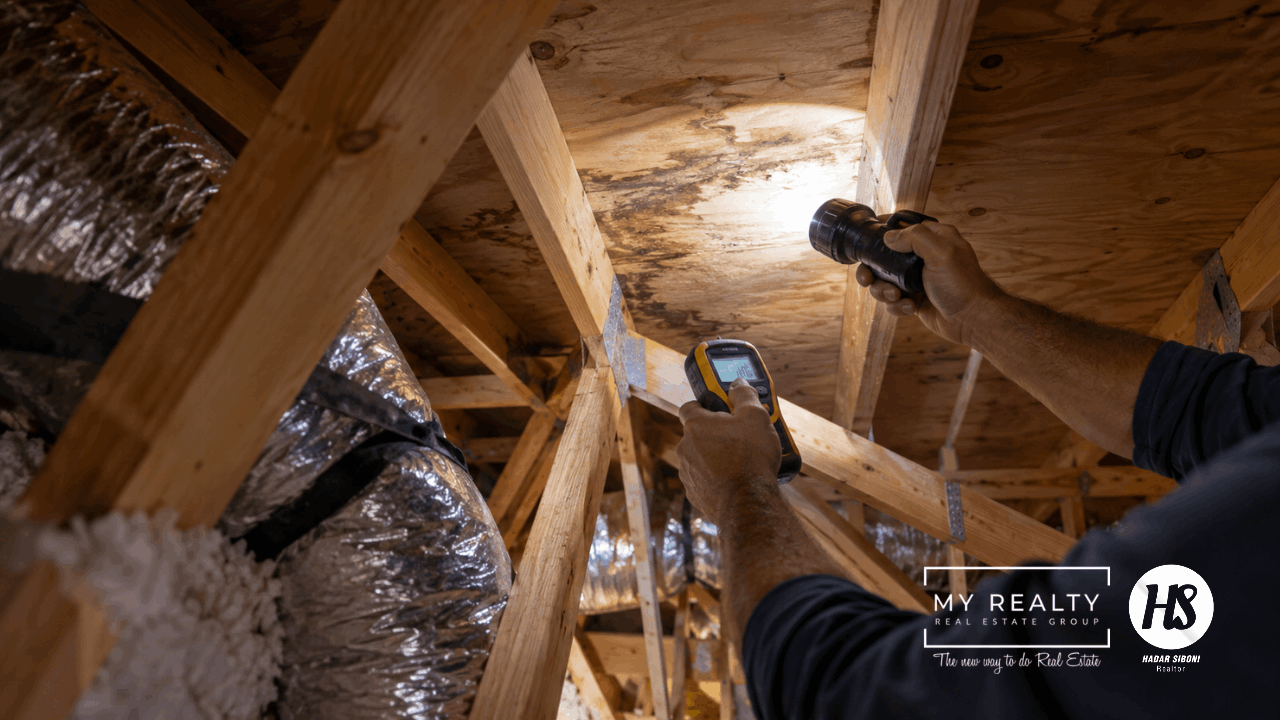
Learn what to look for before buying a property, how a professional inspection works, and why it can help you avoid unexpected expenses.
Buying a home is one of the most important financial decisions you will make. Before closing the deal, it is essential to understand the property's actual condition and identify repairs or expenses that could arise after the purchase.
A professional home inspection helps you identify potential issues, assess the condition of major systems, and make a more informed decision. In this guide, I’ll walk you through what to know about the inspection process and how to use its findings before purchasing a home.
Why Are Home Inspections Important?
A home inspection evaluates a property's visible condition and identifies issues that may require attention or repairs. While an inspection cannot guarantee that every hidden defect will be discovered, it is an important tool for making an informed decision.
Some of its key benefits include:
-
Avoiding unexpected expenses: Identifying signs of structural damage, leaks, electrical issues, or plumbing problems before completing the purchase.
-
Negotiating with better information: Depending on the terms of your contract, inspection findings may help you request repairs, negotiate credits, or reconsider the terms of your offer.
-
Planning future maintenance: Understanding the condition of the home's systems helps you anticipate repairs and budget for future expenses.
-
Evaluating potential risks: Identifying significant issues allows you to determine whether the property fits your needs and budget.
What Does the Inspection Process Look Like?
1. Hire a qualified inspector
Look for a home inspector with relevant experience, verifiable credentials, and positive references. If you are purchasing in Florida, confirm that the inspector meets applicable licensing requirements.
2. Schedule the inspection
The inspection typically takes place after the seller accepts your offer and before closing. Review your contract's deadlines and conditions to make sure the inspection is completed within the required timeframe.
3. Have the property inspected
The inspector will examine accessible areas and components of the home, including visible structural elements, the roof, electrical and plumbing systems, windows, doors, and heating or cooling equipment, as applicable.
An inspection has limitations. It may not involve opening walls, moving heavy objects, or evaluating every concealed issue. Depending on the property's age, features, and condition, additional specialized inspections may be recommended.
4. Review the inspection report
After the inspection, you will receive a report describing the findings, observed deficiencies, and recommendations for further evaluation when appropriate. This document can help you distinguish between minor issues, routine maintenance needs, and potentially significant repairs.
5. Review the findings and decide how to proceed
Go through the report with your real estate agent and, when necessary, consult specialists or contractors to estimate repair costs. Depending on the findings and your contract terms, you can evaluate your available options before moving forward with the purchase.
What Should You Look for in an Inspection Report?
Structural issues
Pay attention to significant cracks, uneven floors, signs of foundation movement, and other conditions that may require further evaluation. Not every crack indicates a serious problem, but concerning signs should be assessed to determine their cause.
Electrical and plumbing systems
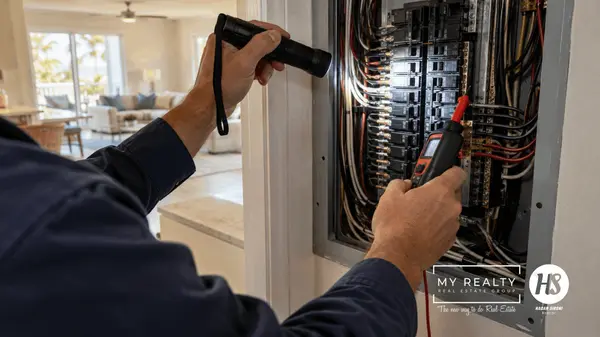
The report may identify faulty connections, deteriorated components, leaks, low water pressure, or damaged pipes. These issues can affect safety, the home's functionality, and future maintenance costs.
Roof, windows, and doors
Review the visible condition of the roof, look for signs of leaks, and check the condition of windows and doors. In Florida, it is also helpful to understand the roof's age and request information about its repair history, particularly given the region's exposure to storms and severe weather.
Air conditioning, ventilation, and insulation
Evaluate the condition of the home's cooling system, ventilation, and insulation when these components are present and accessible. A deteriorating system or inadequate ventilation can affect comfort, indoor moisture levels, and energy consumption.
Moisture and signs of water damage
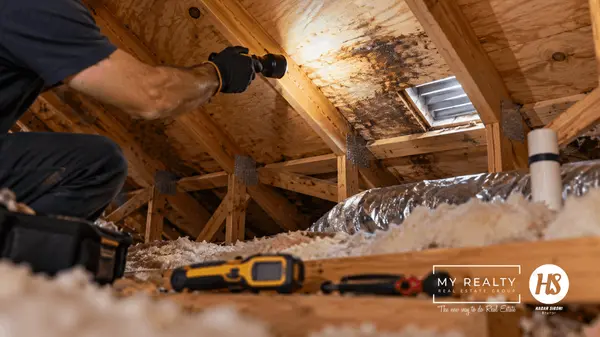
Look for stains, deteriorating paint, musty odors, and other signs of leaks. In Florida, paying attention to moisture and potential water intrusion is particularly important. If there are signs of mold or significant water damage, a specialized assessment may be necessary.
Termites and other pests
A general home inspection may identify signs of insect activity or visible damage, but it does not always replace a dedicated inspection for termites and other wood-destroying organisms. Ask whether an additional inspection is appropriate, especially if there are signs of an infestation or previous damage.
Tips to Get the Most Out of Your Home Inspection
-
Don't choose based on price alone: An inspection with a limited scope may leave important questions unanswered. Compare the services offered, credentials, and experience of each inspector.
-
Attend the inspection if possible: Being there can help you better understand the inspector's observations and ask questions about the home's maintenance needs.
-
Request additional evaluations when necessary: If the inspection reveals signs of structural concerns, leaks, pests, or major system failures, consult a specialist before estimating repair costs or making a decision.
-
Get repair estimates: The report may identify a problem without determining exactly how much it will cost to fix. Estimates from qualified professionals can help you better understand the financial impact.
-
Review your contract deadlines: Your rights and options following an inspection depend on your contractual terms. Don't wait until the last minute to review the findings and determine your next steps.
Common Problems Found During Home Inspections
Common findings include roof or window leaks, deteriorated plumbing, faulty electrical components, HVAC systems that need maintenance, moisture-related damage, and signs of termite activity.
The significance of each finding depends on its severity, the property's age, the cost of repairs, and the home's specific circumstances. A minor issue does not necessarily mean you should walk away from a purchase, but a significant deficiency deserves careful evaluation before you commit.
Make an Informed Decision Before You Buy
A home inspection is more than just another step in the buying process. It is an opportunity to better understand the property, anticipate potential expenses, and determine whether it aligns with your goals.
If you are considering buying a home and have questions about the inspection process, I'm here to guide you and help you evaluate your next steps. My goal is to help you move toward your new property with clear information and greater confidence.
Categories
Recent Posts